
DRAMATIC PLAY I

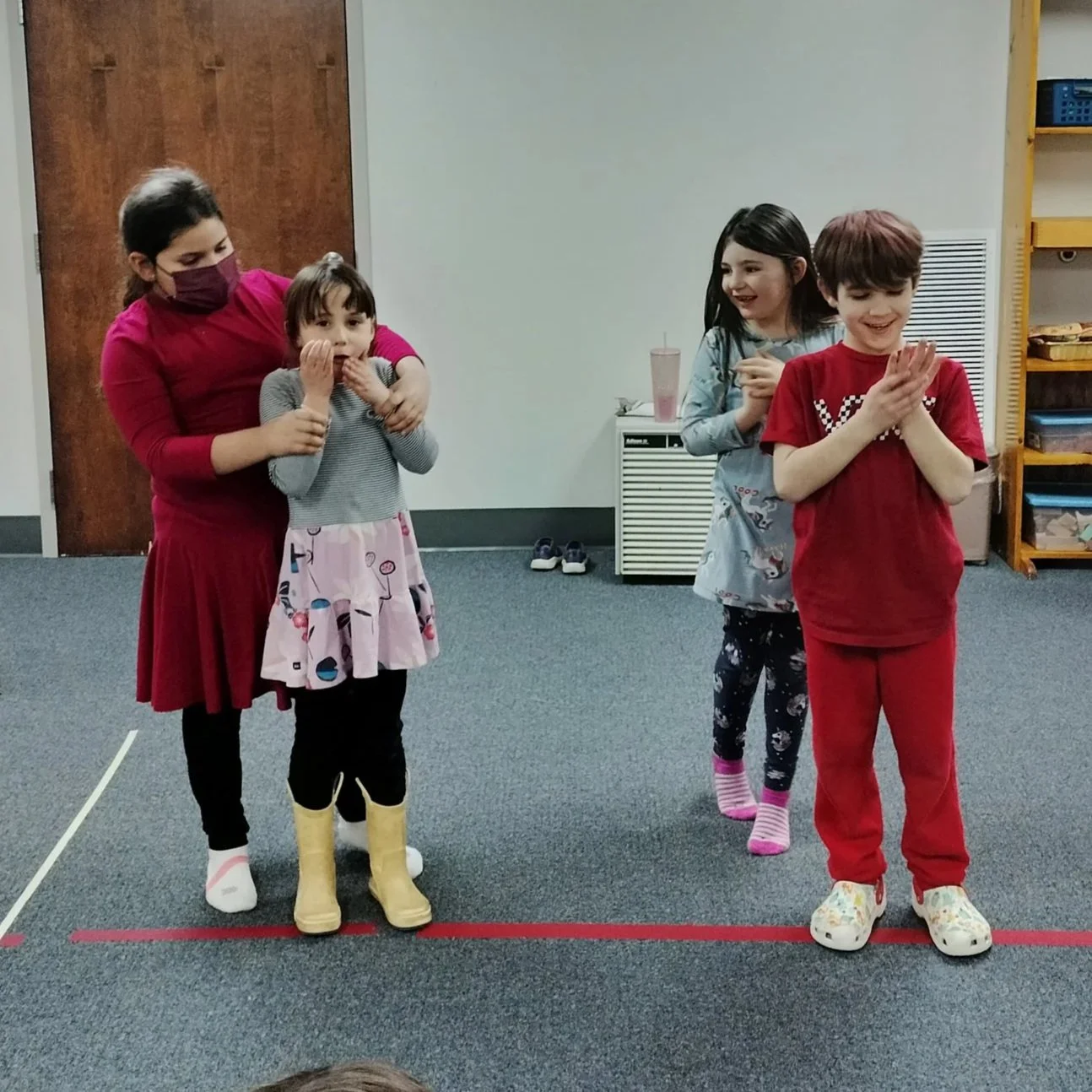
WHAT TO EXPECT
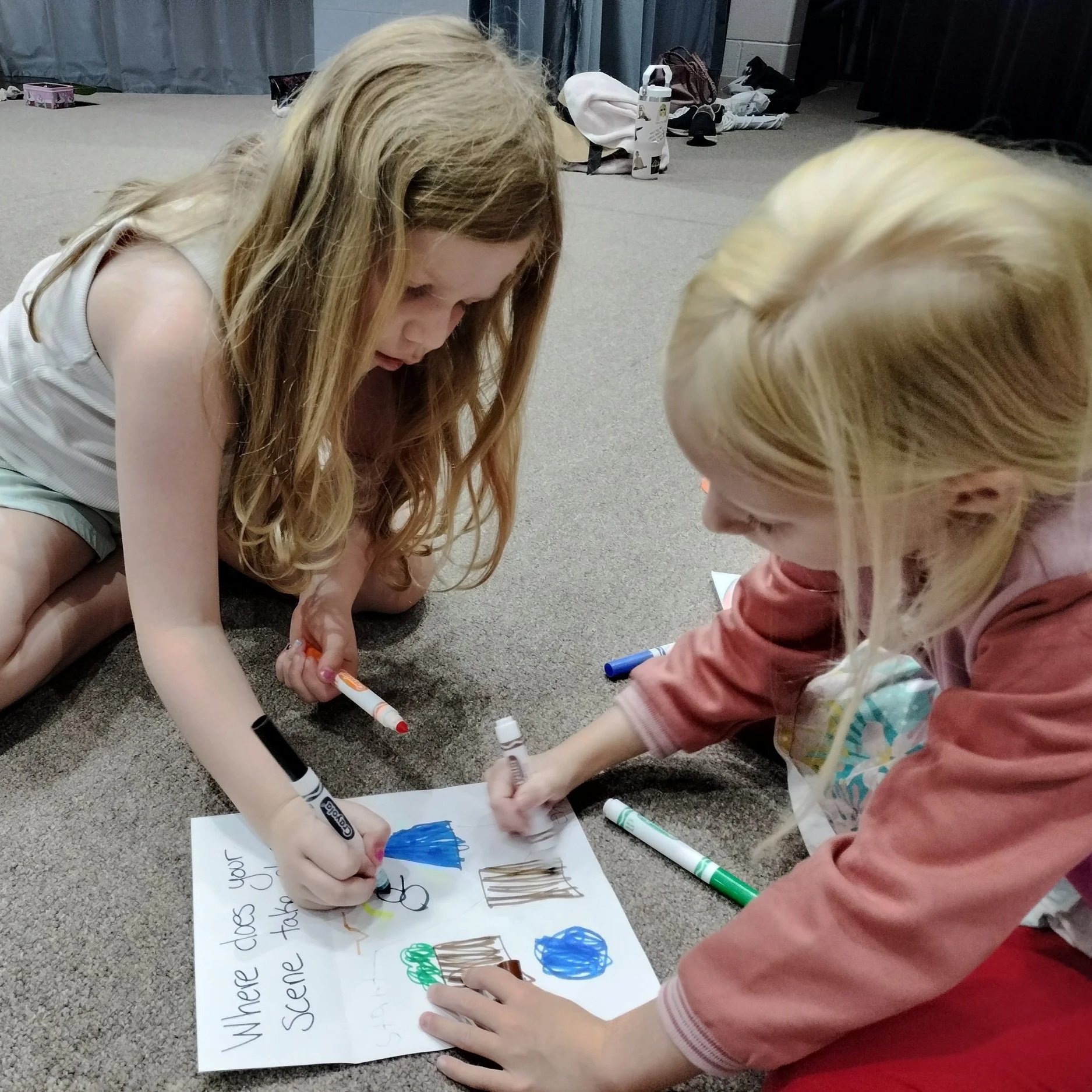
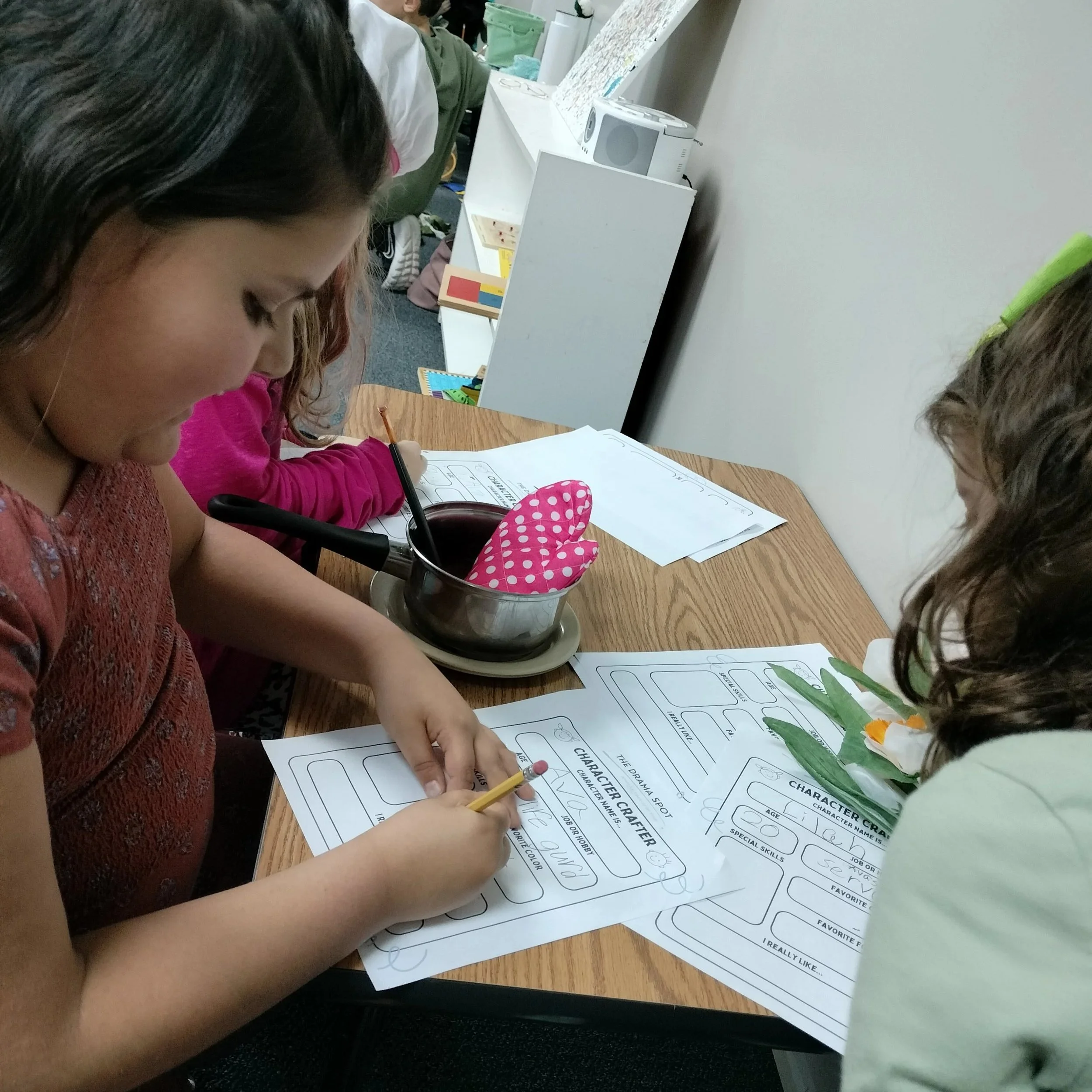
Dramatic Play I classes are full of engaging theatre games and activities. It is at this age that we begin to teach the basics of Improv. Each week, students will hone their creative skills, foster teamwork, and boost confidence in a supportive environment. Like all of our classes, our weekly Dramatic Play I classes focus on our monthly Core Skill. Each month features four lessons grounded in: technical theatre, acting or performing, character creation, and world building. We explore these foundational areas of theatre through the lens of the Core Skill of the Month.
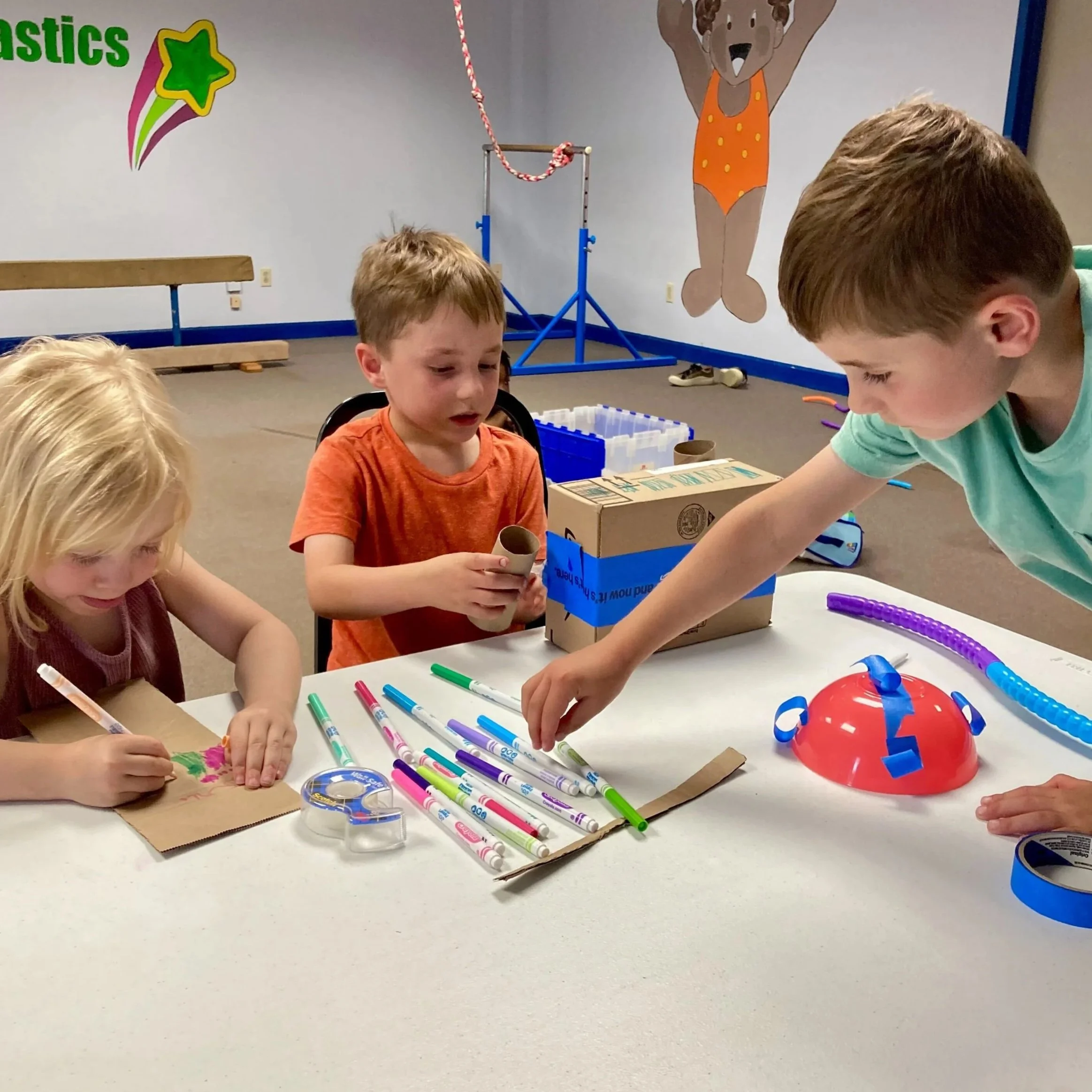
For example, world building during the month of Critical Thinking might have students discovering ways to turn an ordinary box into various set pieces (like a throne, a car, a turtle’s shell!). World Building during the month of Empathy, might ask students to create a soundscape of emotions that go along with a specific story.
The Drama Spot is a unique opportunity for students who are shy or nervous about performing to gain the confidence they need to try it out. We never require or pressure students to do anything they don’t want to. We value every role, including that of the audience, which is actually a tremendously valuable experience in its own right. We find opportunities to encourage students to step outside their comfort zone, whether that is speaking in front of the class or sharing a design. Our goal is to challenge students just enough to help them grow, while still ensuring they have the most fun ever.
Our classes follow this predictable structure, to ensure every student can walk in confidently and leave full of joy:
Warm-ups that introduce routine and predictability while teaching that our voices and bodies are creative tools that must be cared for.
Energizer games activate the brain-body connection and ground students in the present, preparing them to fully engage in the lesson. Games are a fantastic way for every human to learn, regardless of age, and each of our games targets one or more of our Core Skills.
The main activity is broken into three parts, supporting learning and growth using sound pedagogy and proven methods:
Whole Group Introduction - Carving out time for context and instruction allows students at all readiness levels to calmly enter the activity at their chosen point of entry. It also gives our teachers the opportunity to see what questions there are, and who could use additional support.
Small Groups/Partners/Individual Exploration - More often than not, students will be working collaboratively with a small peer group that can match and support their learning journey. We find that students shine the most when they are given direct support from their peers.
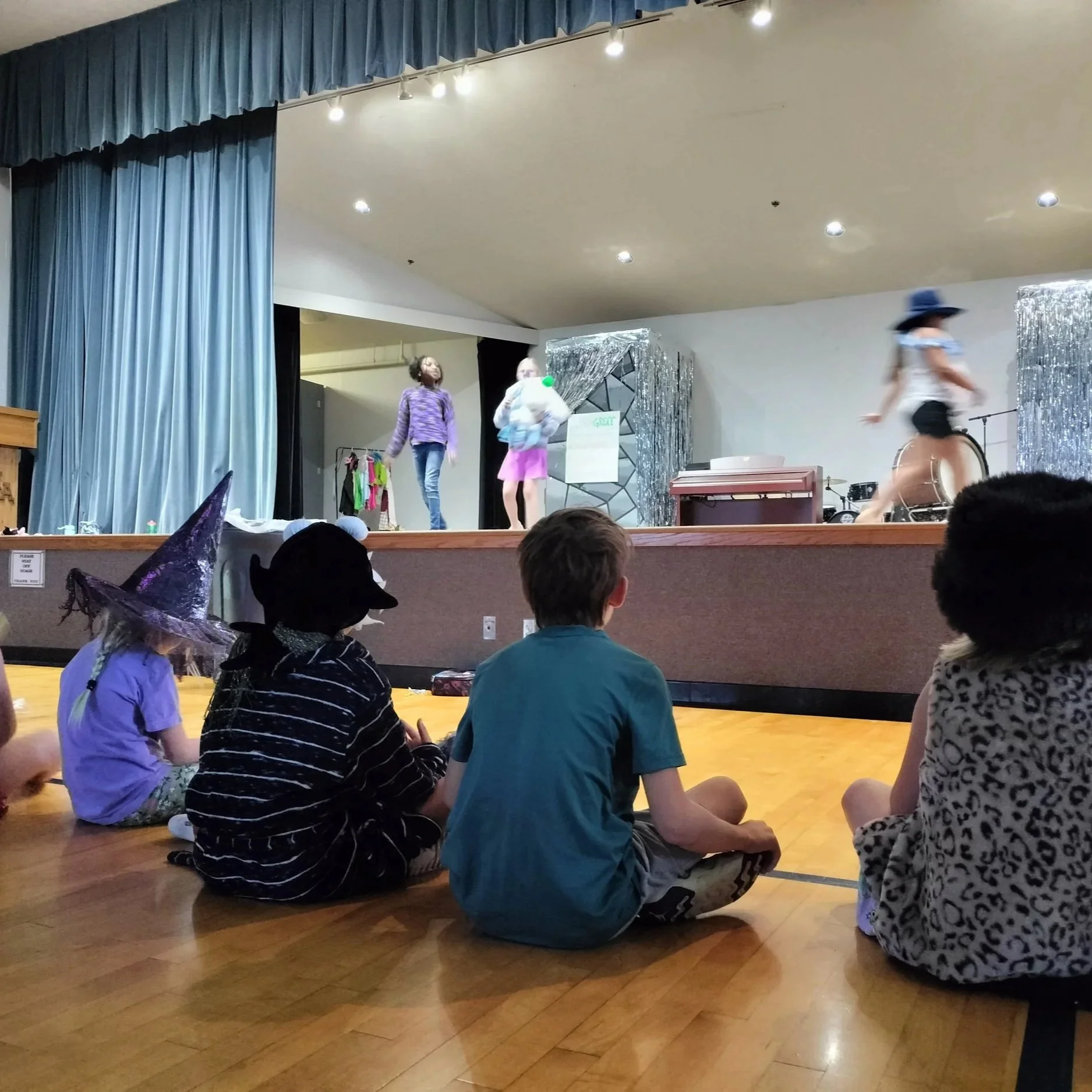
Whole Group Share/Perform - Whenever possible, every student is given the chance to present or perform in some way for the class. It is always encouraged, but never required. This constant exposure is the key to unlocking the confidence needed to keep pushing comfort zones.
Closing rituals and bubble dance parties reinforce learning in a joyful, energetic way.
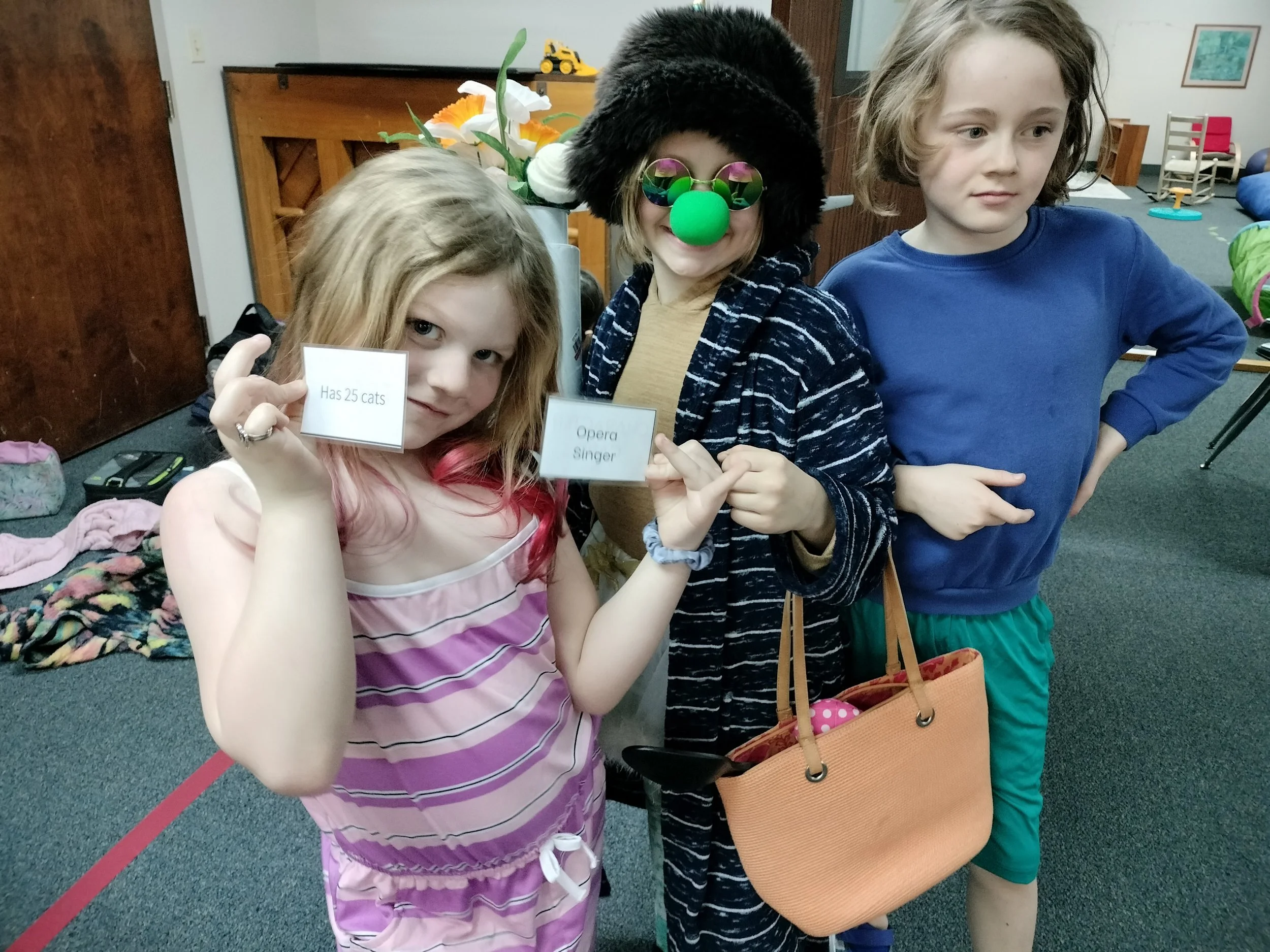
Theatre In Elementary School
In early elementary school, children are building confidence in their ideas and learning how to communicate them clearly. They’re ready for bigger stories, group collaboration, and more structured play. Pretend Play continues to be a powerful tool at this stage. Dramatic Play invites them to experiment with characters, voice, movement, and problem-solving while working as part of a team. Our classes channel their imagination into skill-building — listening, speaking, cooperating — all through joyful, creative play.
